
Luit (Swamp Buffalo)
Also known as: Assamese Swamp Buffalo
India's only registered swamp buffalo type, genetically distinct from the river buffalo of the mainland and central to paddy cultivation in the Brahmaputra floodplain.
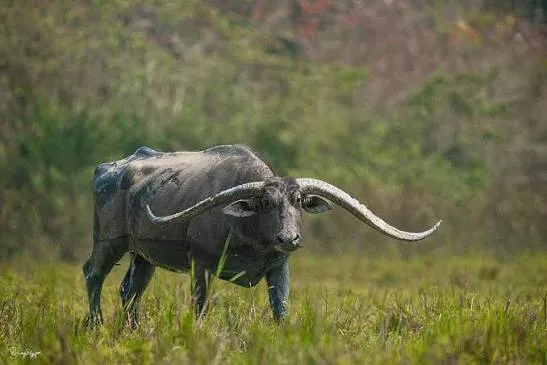
Physical Characteristics
- Swamp type — 48 chromosomes, unlike river buffalo which have 50
- Colour: slate grey with white chevron markings on the lower neck
- Horns sweep out sideways in a wide, flat crescent
- Stocky body with a short neck; loves to wallow in water
Benefits for Farmers
Unmatched for ploughing waterlogged and flooded paddy fields
Thrives in flood-prone wetlands where other cattle cannot work
Grazes on aquatic weeds and marsh grass at almost no cost
Distinct genetic resource valuable for conservation
Improve your herd with Luit (Swamp Buffalo) genetics
Artificial insemination with proven Luit (Swamp Buffalo) semen is the fastest and cheapest way to upgrade a local herd — no bull to maintain, no disease risk, and a measurable jump in yield within one generation. Our AI training covers semen handling, heat detection, insemination technique and follow-up.
Breed Profile
- Species
- Buffalo
- Utility
- Draught
- Home Tract
- Brahmaputra valley — Nagaon, Sonitpur, Dhubri, Barpeta
- Found In
- Assam
- Yield
- 300–500 kg per lactation (kept mainly for draught)
Other Buffalo Breeds
 Banni
Milk
Banni
Milk
Banni
Gujarat
The buffalo of the Banni grasslands, herded by the Maldhari pastoralists. It is famous for grazing at night over long distances and returning to the settlement by morning.
1,200–1,800 kg per lactation; 6.6% fat
View Details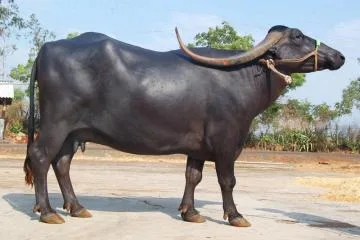 Pandharpuri
Milk
Pandharpuri
Milk
Pandharpuri
Maharashtra, Karnataka
Instantly recognisable by its extraordinarily long, sword-like horns, this buffalo of western Maharashtra is a hardy migratory milker.
1,200–1,700 kg per lactation; 8% fat
View Details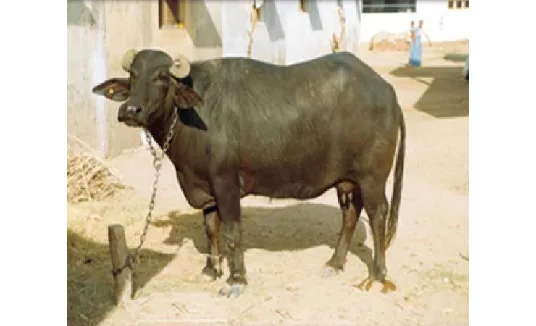 Mehsana
Milk
Mehsana
Milk
Mehsana
Gujarat
Developed by crossing Murrah with Surti, Mehsana combines high yield with a persistent, long lactation — a favourite of Gujarat's cooperative dairies.
1,200–1,500 kg per lactation; 7% fat
View DetailsNeed course guidance?
Our team is ready to help you choose the right training program.