
Red Sindhi
Also known as: Malir, Red Karachi
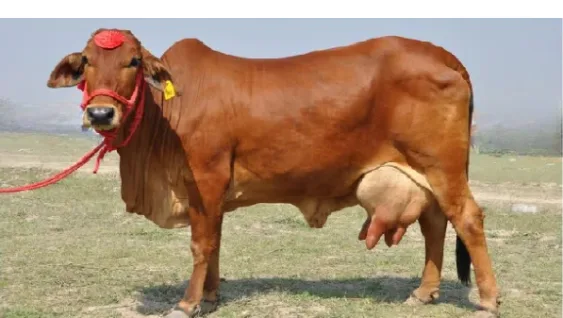
A compact, deep red dairy breed prized for consistent yield in hot, humid conditions. It is one of the most heat-tolerant dairy breeds in the world.
 RED SINDHI
Physical Characteristics
- Colour: deep, rich red — varies from dark red to dun-yellow
- Compact, medium-sized body with a well developed hump in males
- Loose skin, moderate dewlap, short and thick horns
- Udder is large and well set with prominent milk veins
Benefits for Farmers
Performs well in high humidity where exotic breeds fail
Good grazer that converts poor roughage into milk efficiently
Bulls are used worldwide for tropical dairy crossbreeding
Docile and suited to smallholder, stall-fed systems
Improve your herd with Red Sindhi genetics
Artificial insemination with proven Red Sindhi semen is the fastest and cheapest way to upgrade a local herd — no bull to maintain, no disease risk, and a measurable jump in yield within one generation. Our AI training covers semen handling, heat detection, insemination technique and follow-up.
Breed Profile
- Species
- Cattle
- Utility
- Milk
- Home Tract
- Originally the Sindh region; now maintained on farms across India
- Found In
- Punjab Haryana Karnataka Tamil Nadu Odisha
- Yield
- 1,600–2,500 kg per lactation; 4.9% fat
Other Cattle Breeds
 SAHIWAL
Milk
Sahiwal
Punjab, Haryana +1
Regarded as the best indigenous dairy breed of India. Sahiwal is used across Asia and Africa to grade up local cattle because it combines high yield with tropical hardiness.
2,000–3,000 kg per lactation; 4.5% fat
View Details GIR COW
Milk
Gir
Gujarat
One of the finest milch breeds of India and the most widely exported Indian cattle breed. Gir genetics form the base of Brazil's dairy zebu industry, where elite Gir cows now exceed 10,000 kg per lactation.
1,600–2,500 kg per lactation; 4.5–5% fat
View Details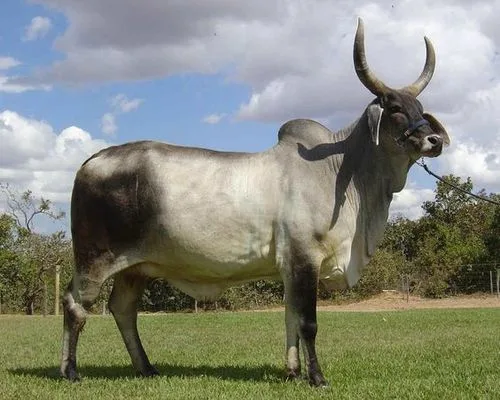 Dual Purpose
Kankrej
Gujarat, Rajasthan
The heaviest Indian draught breed and a strong milker. Kankrej was exported to the USA and Brazil, where it contributed to the Brahman and Guzerat breeds.
1,300–1,800 kg per lactation; 4.8% fat
View DetailsNeed course guidance?
Our team is ready to help you choose the right training program.