
Malabari
Also known as: Tellicherry
A prolific dual-purpose goat of the Kerala coast, carrying some Arab bloodline from historic Malabar trade. It handles humid, high-rainfall conditions well.
 Malabari
Physical Characteristics
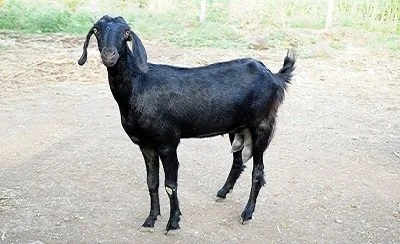
- Colour: highly variable — white, black, brown or a mix
- Medium body — 30 kg (female), 40 kg (male)
- Small to medium ears, directed outward and downward
- Both horned and polled animals occur; short glossy hair
Benefits for Farmers
Highly prolific with a strong twinning and tripling rate
Thrives in hot, humid, high-rainfall coastal climates
Browses well on tree leaves and plantation undergrowth
Dual income from both chevon and household milk
Improve your herd with Malabari genetics
Artificial insemination with proven Malabari semen is the fastest and cheapest way to upgrade a local herd — no bull to maintain, no disease risk, and a measurable jump in yield within one generation. Our AI training covers semen handling, heat detection, insemination technique and follow-up.
Breed Profile
- Species
- Goat
- Utility
- Meat & Milk
- Home Tract
- Kozhikode, Kannur, Malappuram and Thrissur
- Found In
- Kerala
- Yield
- Milk: ~1 kg per day; frequent twins and triplets
Other Goat Breeds
 Osmanabadi
Meat
Osmanabadi
Maharashtra
A tall, black meat goat of the Marathwada region with a fast growth rate and excellent adaptability to drought-prone areas.
Milk: 0.5–1.5 kg per day; ~50% twinning rate
View Details Jakhrana
Milk
Jakhrana
Rajasthan
A high-yielding dairy goat resembling a large Beetal, restricted to a small tract around Alwar. It is one of the top milk producers among Indian goats.
Milk: 2.0–2.5 kg per day; lactation 150–200 kg
View Details Sirohi
Meat & Milk
Sirohi
Rajasthan, Gujarat
The most popular commercial goat breed in India today. Sirohi adapts to almost every agro-climatic zone, which is why it dominates new goat farms nationwide.
Milk: 0.8–1.0 kg per day; kids twice in 15–18 months
View DetailsNeed course guidance?
Our team is ready to help you choose the right training program.