
गरोल
दोसर नाँव: Bengal Sheep, Sundarbans Sheep
A micro-sheep of the Sundarbans with worldwide scientific importance: it carries the FecB (Booroola) fertility gene, which has been used to raise lambing rates in sheep across the globe.
 Garole
शारीरिक विशेषता
- Very small — 10–12 kg (female), 14–16 kg (male)
- Colour: white, sometimes black or brown
- Short body, small ears, males may have small horns
- Carries the FecB prolificacy gene
किसान खातिर फायदा
One of the most prolific sheep in the world — triplets are common
Source of the FecB gene used globally to boost flock fertility
Adapted to saline, waterlogged delta grazing and high humidity
Tiny body size means very low feed and housing cost
Improve your herd with गरोल genetics
Artificial insemination with proven गरोल semen is the fastest and cheapest way to upgrade a local herd — no bull to maintain, no disease risk, and a measurable jump in yield within one generation. Our AI training covers semen handling, heat detection, insemination technique and follow-up.
नस्ल के परिचय
- जानवर के किसिम
- भेड़
- उपयोग
- मटन
- मूल इलाका
- Sundarbans delta — South and North 24 Parganas
- कहाँ पाईल जाला
- पश्चिम बंगाल
- उत्पादन
- Regularly gives 2–3 lambs per lambing, twice a year
दोसर भेड़ के नस्ल
 Nali
ऊन
नाली
राजस्थान, हरियाणा
Producer of the finest carpet wool in India, with a dense fleece that makes it the leading wool breed of the north-western plains.
Wool: 1.5–2.5 kg per year in 2–3 clips
पूरा जानकारी देखीं Malpura
मटन
मालपुरा
राजस्थान
A fast-growing mutton breed of eastern Rajasthan, used as the base for the Avikalin and other improved sheep developed at CSWRI Avikanagar.
Mutton-focused; wool ~1 kg per year (coarse)
पूरा जानकारी देखीं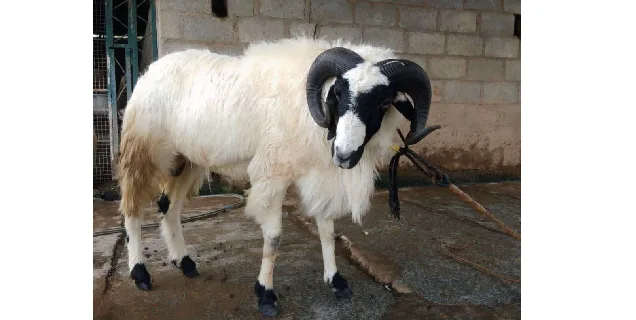 Chottanagpuri
मटन
छोटानागपुरी
झारखंड, बिहार +1
A small, extremely hardy sheep of the Chotanagpur plateau, maintained by tribal households on forest and wasteland grazing.
Wool: ~0.4 kg per year (very coarse); kept for mutton
पूरा जानकारी देखींNeed course guidance?
Our team is ready to help you choose the right training program.